
Understanding the Current State of School Bus Safety
In Canada, school buses are a critical component of the educational system, transporting millions of children safely to and from school each day. With over two million students relying on these vehicles as part of their daily routine, it’s essential to ensure that safety measures are continuously evaluated and improved. Recent accidents have raised serious concerns regarding the safety standards currently in place, prompting advocates like Manitoba bus driver Jodi Ruta to spearhead campaigns targeting necessary reforms. As advocates push for enhanced safety measures across the nation, the role of drivers and parents, such as Clinton Orr, becomes increasingly vital in fostering a safer transportation environment for schoolchildren.
Overview of School Bus Transportation in Canada
School buses are recognized as one of the safest modes of transportation for students, designed specifically to minimize injuries during travel. These vehicles are equipped with high-backed, padded seats as part of a safety strategy called compartmentalization, which ensures that students remain secure during transit. However, as technology evolves, there is a growing argument that these safety designs may need to be updated to embrace new innovations that could further protect children.
Recent Accidents and Their Impact on Perceptions of Safety
Accidents involving school buses, though infrequent, have the potential to erode public confidence in the safety of these transport options. In 2023, Jodi Ruta was involved in an accident that left four individuals injured. Such incidents serve as stark reminders that while school buses are generally safe, there are still risks that require attention. Conversations surrounding safety measures are becoming increasingly urgent, highlighting the need for systemic reviews and updates to current protocols.
Statistics on School Bus Safety Records
Despite the occasional accidents, statistics show that school buses are remarkably safe. According to data from the Canadian Council of Motor Transport Administrators (CCMTA), children who take school buses are less likely to suffer injuries compared to those who travel by car or on foot. Between 1990 and 1995, it was reported that there were over 1,000 school bus crashes each year, with injuries to students often numbering around a hundred. This data does indicate that while accidents occur, fatalities are rare, reinforcing the general perception of safety associated with school bus travel.
Jodi Ruta’s Advocacy Journey
Personal Experiences and Motivations Behind the Campaign
Jodi Ruta’s personal experiences as a bus driver and the harrowing events of the crash she encountered have profoundly shaped her advocacy journey. Her campaign emphasizes the importance of not only recognizing the existing safety measures but also advocating for improvements that can better protect children during their commutes. Ruta highlights that parents often assume their children are fully protected on school buses and that this trust must be backed by the best safety measures available.
Community Engagement Strategies
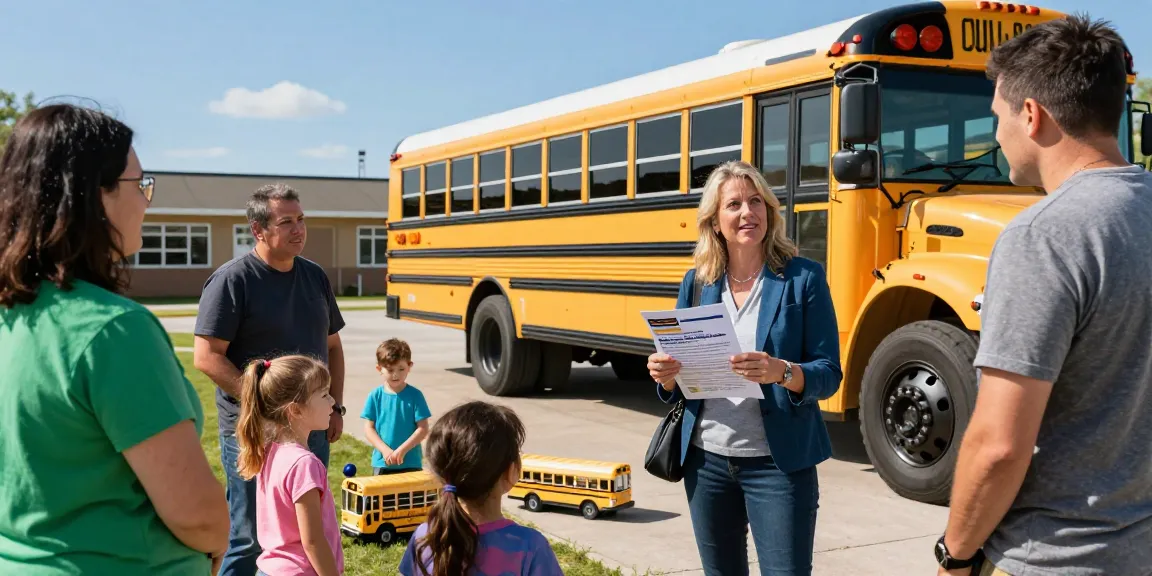
Engaging the community has been a cornerstone of Ruta’s advocacy. She encourages parents, educators, and local leaders to participate in discussions regarding school bus safety. By fostering an open dialogue, Ruta aims to raise awareness about the potential risks and the necessity for reform. Initiatives such as public forums, informational sessions, and rallies have been instrumental in rallying community support for enhanced safety measures.
Success Stories from the Movement
There have been notable successes stemming from Ruta’s advocacy efforts. As community members become more informed and engaged, they have begun to push for changes at local school boards, leading to improved safety protocols and increased awareness about the importance of safety in school transportation. These success stories serve as a source of inspiration for ongoing advocacy, highlighting that collective action can pave the way for meaningful change.
Key Safety Measures and Recommendations
Importance of Seat Belts on School Buses
One of the most debated safety measures in school bus transportation is the implementation of seat belts. Advocates argue that seat belts could significantly reduce injuries during accidents, particularly in high-impact and rollover situations. While Transport Canada has indicated that evidence supporting the effectiveness of seat belts is limited, the conversation continues as more parents and safety advocates push for their inclusion in school bus designs.
Enhancing Driver Awareness and Training
The role of school bus drivers is paramount to ensuring student safety. Strengthening training programs to enhance driver awareness and skills can contribute to safer driving practices. Regular training updates, simulations of emergency scenarios, and the incorporation of new safety technologies can make a significant difference in how drivers respond to potential hazards on the road.
Emergency Preparedness Protocols
It is crucial for school bus drivers and school boards to have robust emergency preparedness protocols in place. These measures not only include training for drivers but also involve regular drills and planning for various scenarios that may arise during transit. Engaging students in safety drills can also help prepare them to react calmly and effectively in case of an emergency.
The Role of Policy and Regulation
Current Safety Regulations Governing School Buses
In Canada, safety regulations governing school buses are established at both the provincial and federal levels. These regulations dictate safety standards, vehicle design, and maintenance protocols. However, as technology advances, there is a growing need to reassess these regulations to ensure they remain relevant and effective in protecting young passengers.
Advocacy for Policy Revisions Based on New Research
Advocates like Jodi Ruta are calling for updated policy revisions informed by ongoing research and emerging safety trends. It is essential for policymakers to listen to the voices of those directly impacted by transportation safety issues, including drivers, parents, and students. By making data-driven policy changes, Canada can enhance its school bus safety framework and prevent future accidents.
Interaction Between Families and Policymakers
Open communication channels between families and policymakers are critical in advancing school bus safety initiatives. Parents should be encouraged to voice their concerns and suggestions regarding safety measures. Engaging in town hall meetings and leveraging social media platforms to share experiences can be effective tools for influencing policy discussions and driving change.
Future Trends in School Bus Safety Innovations
Emerging Technologies That Can Enhance Safety
The future of school bus safety is likely to be shaped by emerging technologies. Innovations such as collision avoidance systems, real-time tracking apps for parents, and advanced camera surveillance systems are already being integrated into modern buses. These technological advancements can significantly enhance the safety and accountability of transportation services.
Community Initiatives for Ongoing Safety Awareness
Community-led initiatives are essential to keeping school bus safety at the forefront of public discourse. Programs that educate students about safety, involve parents in monitoring practices, and promote the reporting of unsafe behaviors can help create a culture of safety. These efforts not only empower families but also lead to a more informed community focused on protecting children.
Predictions for Bus Safety Practices in 2026
Looking ahead to 2026, it is anticipated that school bus safety practices will evolve in response to emerging challenges and technological advancements. We may see more stringent regulations, widespread adoption of advanced safety systems, and a stronger emphasis on community engagement. The ongoing advocacy efforts led by individuals like Jodi Ruta will likely play a pivotal role in influencing these practices, ensuring the safety of future generations.
How Can Parents Advocate for Better Bus Safety?
Parents can play an active role in advocating for better bus safety by staying informed, engaging in community discussions, and communicating directly with school boards. By attending meetings, signing petitions, and participating in safety campaigns, parents can help amplify the call for safer transportation practices.
What Role Do Educators Play in Promoting Safety?
Educators have a unique opportunity to promote safety in school bus transportation. By integrating safety discussions into the curriculum and encouraging students to participate in safety drills, teachers can instill awareness and preparedness in young minds. Collaboration with parents and local safety advocates can enhance these efforts further.
What Are the Next Steps for Jodi Ruta’s Campaign?
As Jodi Ruta’s campaign gains momentum, the next steps include continued community engagement, partnerships with local organizations, and outreach to policymakers. By fostering strong alliances and highlighting success stories, Ruta aims to create a robust movement that advocates for improved school bus safety measures across Canada.


