Understanding the EDC Trauma Kit
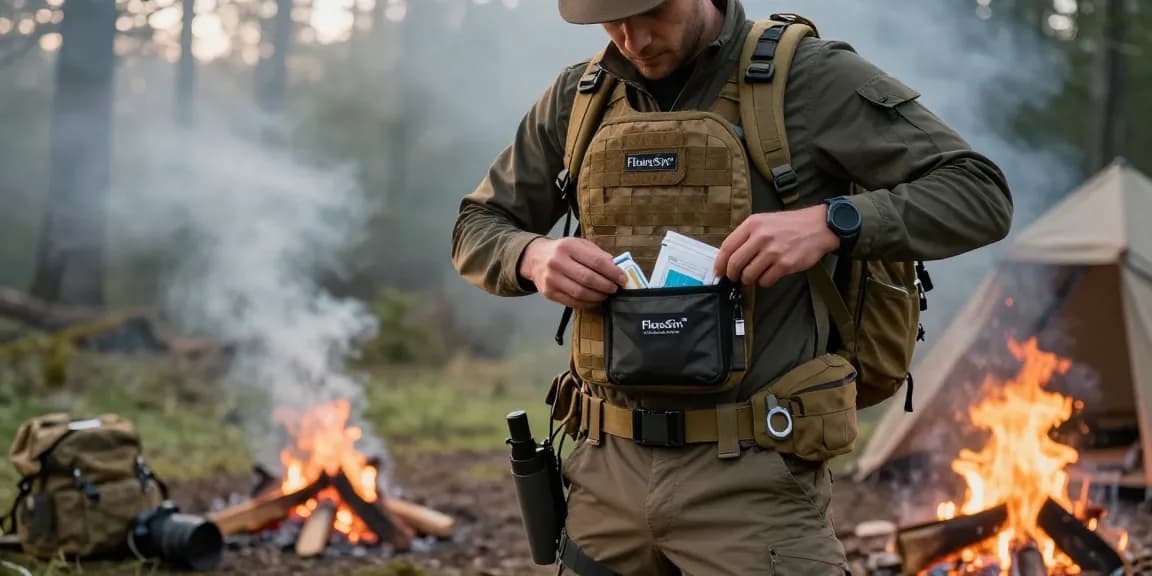
Emergency preparedness is a crucial part of outdoor activities, and an EDC (Everyday Carry) Trauma Kit serves as an essential tool for anyone venturing into high-risk environments. Designed for rapid response, these compact kits equip users with necessary medical supplies to address urgent injuries, especially in wilderness or tactical situations. When exploring options, EDC Trauma Kit choices, like the FlareSyn™ Compact Tactical Trauma IFAK Kit, can ensure you're prepared for the unexpected.
What Is an EDC Trauma Kit?
An EDC Trauma Kit is a compact ensemble of medical supplies designed for quick access in emergency situations. Unlike standard first aid kits, EDC kits focus on trauma-specific items that facilitate immediate care for life-threatening injuries. This includes tools for bleeding control, airway management, and other critical interventions that can mean the difference between life and death when every second counts.
Key Components of an Effective EDC Trauma Kit
- Tourniquet: Essential for controlling severe limb bleeding, a reliable tourniquet can halt blood flow in extremity injuries.
- Hemostatic Agents: These substances help with blood clotting, which is crucial for managing hemorrhage.
- Compression Bandages: Used to apply pressure to wounds, preventing excessive bleeding.
- Airway Management Devices: Tools like nasopharyngeal airways ensure that a patient can breathe properly in emergencies.
- Emergency Blankets: Useful for preventing hypothermia, these lightweight blankets can retain body heat.
Importance of Size and Portability
The size and portability of an EDC Trauma Kit are vital, especially for individuals engaged in activities such as hiking, camping, or tactical operations. A smaller, lightweight kit encourages regular carry and accessibility. It should be compact enough to fit easily in a backpack, tactical vest, or vehicle without sacrificing the range of supplies required for effective trauma care.
Why Every Outdoor Enthusiast Needs One
Outdoor enthusiasts frequently encounter unique risks that necessitate advanced preparation. Whether you're a hiker, camper, or a tactical operator, having an EDC Trauma Kit enhances your safety and the safety of those around you. In many instances, having a well-equipped kit can be a lifesaving decision during critical moments.
Common Injuries Encountered in Outdoor Activities
Engaging in outdoor activities often leads to injuries such as cuts, abrasions, sprains, and more severe traumas like gunshot wounds or animal attacks. An effective EDC Trauma Kit should be equipped to handle these scenarios, especially in remote areas where professional medical assistance may be far away.
The Role of Preparedness in Emergency Situations
Preparedness is the cornerstone of effective emergency response. The presence of a well-stocked EDC Trauma Kit allows individuals to manage injuries efficiently until professional help arrives. In situations where every second matters, the ability to provide immediate care can significantly mitigate the severity of trauma.
Real-Life Scenarios: How EDC Kits Save Lives
There are numerous accounts of EDC kits making a difference in critical situations. For instance, an avid hiker fell and suffered a deep laceration on a remote trail. Having an EDC Trauma Kit enabled his companion to apply a tourniquet, control the bleeding, and provide care until they reached a medical facility. Such testimonies underscore the life-saving potential of being prepared with appropriate medical gear.
Choosing the Right EDC Trauma Kit
Selecting the most suitable EDC Trauma Kit involves careful consideration of your specific activities, environment, and medical needs. Not all kits are created equal; therefore, assessing the components, weight, and organization of each option is crucial.
Analyzing Your Needs Based on Activity Level
Your activity level directly influences the type of EDC Trauma Kit you should carry. Casual hikers may prioritize basic supplies for minor injuries, while more adventurous individuals engaged in high-risk outdoor pursuits may require advanced kits with comprehensive trauma management tools.
Comparing Popular EDC Trauma Kits on the Market
When evaluating EDC trauma kits, consider top options available, such as the FlareSyn™ Compact Tactical Trauma IFAK Kit or other products from reputable brands. Look for user reviews, compare the contents and assess the durability of each kit to ensure it meets your expectations.
Customization Options for Unique Requirements
Customization can significantly enhance the functionality of an EDC Trauma Kit. Depending on personal medical histories or specific environments (like marine or mountain), you can add unique components such as specialized bandages or additional hemostatic agents tailored to your needs.
Best Practices for Using an EDC Trauma Kit
Owning an EDC Trauma Kit is only part of the equation; knowing how to use it effectively is equally important. Familiarization with your kit and its contents can optimize your response during emergencies.
Training and Familiarization with Your Kit
Regularly reviewing the kit's components and practicing with them ensures you are ready to act when needed. Consider attending first aid or trauma courses to enhance your skills and confidence in providing emergency care.
Essential First Aid Skills for Outdoor Environments
Alongside having an EDC Trauma Kit, possessing essential first aid skills is crucial. Skills including wound dressing, CPR, and the use of a tourniquet can empower you to respond effectively during a medical emergency.
Regular Maintenance and Updates for Your Kit
A well-stocked kit is effective only if its supplies are up to date. Regularly check the contents for expired items and restock as necessary. Engaging in this practice can ensure your kit is always ready when the unexpected occurs.
The Future of EDC Trauma Kits: Trends for 2026 and Beyond
The landscape of emergency preparedness continues to evolve, particularly in the domain of EDC Trauma Kits. As we look towards 2026, several trends are emerging that will shape the future of these crucial medical supplies.
Technological Innovations in Trauma Kits
With advancements in materials and technology, trauma kits are becoming more efficient. Innovations such as integrated sensors for tracking usage or smart packs that provide instructions via an app promise to enhance the user experience and improve emergency responses.
Growing Awareness and Emphasis on First Aid Training
Awareness of outdoor safety and first aid is on the rise, leading to an increased emphasis on training programs. This trend suggests that more individuals will be equipped with the knowledge and skills necessary to leverage their EDC Trauma Kits effectively.
Enhanced Features for Specific Outdoor Activities
As outdoor activities diversify, EDC Trauma Kits are also adapting specialized features for unique circumstances. Kits tailored for hunting, mountain climbing, or marine excursions may contain specific tools suited for those environments, ensuring users have relevant supplies at hand.
What to Look for in EDC Trauma Kits in 2026?
When selecting an EDC Trauma Kit moving forward, consider factors like the inclusion of personal protective equipment (PPE), versatility, and modularity—allowing users to tailor kits to their changing needs.
FAQs about EDC Trauma Kits and Safety
How Should I Store My EDC Trauma Kit?
Store your EDC Trauma Kit in a cool, dry place away from direct sunlight. Ensure it is readily accessible in emergencies, whether kept in your vehicle, backpack, or home.
What Are the Essential Items Every Kit Should Have?
While contents may vary based on personal needs, essential items include a tourniquet, compression bandages, hemostatic agents, gloves, scissors, and a CPR mask. Tailor the kit according to the activities you engage in.
How Often Should I Replace Expired Supplies?
Regular checks should be conducted, ideally every three to six months. Replace expired supplies immediately to ensure they are effective during emergencies.
Can I Customize My EDC Trauma Kit for Specific Activities?
Yes! Customization based on specific activities or medical requirements can enhance the effectiveness of an EDC Trauma Kit. Assess your unique risks and adjust the contents accordingly.
How Can I Get Trained in First Aid for Outdoor Emergencies?
Many organizations offer first aid and CPR training courses, both online and in-person. Look for local programs through community centers, hospitals, or outdoor safety organizations to enhance your skills.