Introduction to Celebrity Lookalikes
The world of celebrity lookalikes is a fascinating niche that captivates fans and stirs debate across social media platforms. With their uncanny resemblances, some celebrities appear to be separated at birth, leading to widespread discussions about doppelgangers. As we explore celebrities that look alike, it's essential to understand the reasons behind this phenomenon, the science at play, and the cultural impact these lookalikes have on both the stars and their fans.
What Are Celebrities That Look Alike?
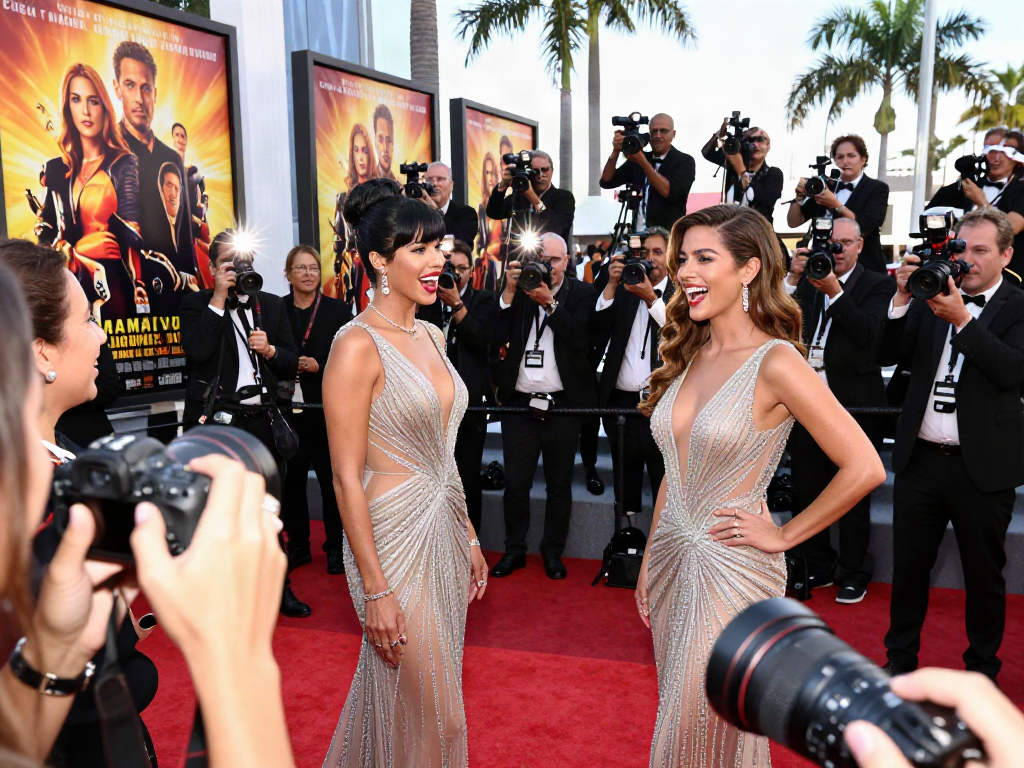
Celebrities that look alike are individuals who share physical traits to the extent that they are often mistaken for one another. This resemblance can include facial features, hair color, and even body language. Famous examples include how Isla Fisher is frequently compared to Amy Adams, or how Katy Perry and Zooey Deschanel could easily be mistaken for sisters. The concept of celebrity lookalikes isn't just limited to physical appearance; sometimes, it's also about their style, mannerisms, or public personas.
The Fascination Behind Lookalikes in Pop Culture
The fascination surrounding celebrity lookalikes stems from our natural tendency to recognize faces and create connections. This phenomenon has been amplified in today’s digital age, where images and memes can spread rapidly. Pop culture has embraced lookalikes through various forms of media, such as television shows, movies, and social media platforms, adding a layer of entertainment that often sees fans debating the similarities. This playful engagement enhances the allure, inviting curiosity about how two seemingly unrelated individuals can mirror one another in astonishing ways.
Understanding the Science of Face Recognition
Face recognition is a complex cognitive process that varies significantly among individuals. The brain is wired to recognize patterns, and in the case of faces, it tends to group similar features together. This categorization can lead people to perceive certain celebrities as lookalikes even when the similarities might be minuscule. Psychological studies suggest that our brains are inclined to notice resemblances, fostering the illusion of likeness based on shared traits. Additionally, current technology in facial recognition is further reshaping how we identify and compare faces in various contexts.
Exploring Famous Celebrity Doppelgangers
Notable Celebrities That Look Alike
The world is filled with notable celebrities who are often confused for others. While sometimes amusing, these encounters highlight how a pair of faces can trigger a double take. For example, actors Matt Bomer and Henry Cavill frequently draw comparisons for their strong jawlines and similar hairstyles, while singers Justin Bieber and a young actor named Noah Schnapp are also mentioned in conversations about lookalikes. Other striking pairs include the likes of Helen Hunt and Jodie Foster, or even Jessica Chastain and Bryce Dallas Howard, whose cheekbones and hair colors resonate with fans.
How Lookalikes Impact Celebrity Branding
The phenomenon of lookalikes can significantly affect celebrity branding, potentially boosting or harming their public images. When two celebrities share a striking resemblance, their brand identities can collide, leading to mixed perceptions among fans. For instance, when Isla Fisher's likeness to Amy Adams became more widely recognized, it sparked interest in both their works, drawing fans to their projects. This can create challenges, especially when fans find themselves torn between two equally appealing stars.
Fan Reactions to Celebrity Lookalikes
Fan reactions to celebrity lookalikes can range from delight to incredulity. Platforms like Twitter and Instagram often bubble with discussions, memes, and fan art dedicated to these doppelgangers. The engagement takes many forms, including humorous polls on social media asking followers to vote on who looks more like whom. Some fans even take it a step further by creating entire accounts dedicated to celebrity lookalikes, showcasing pictures side by side and inviting commentary on the similarities. Such fervent interactions highlight how invested fans are in this unique aspect of celebrity culture.
How to Identify Celebrity Lookalikes
Techniques for Spotting Similarities in Features
Identifying celebrity lookalikes can be a fun challenge, as certain features often stand out more than others. To spot a resemblance, consider focusing on specific facial areas, including the eyes, nose, and jawline. Software tools and apps developed for facial recognition can also aid fans in revealing potential lookalikes by analyzing facial structures. Moreover, engaging with content that highlights these similarities can sharpen your eye for spotting doppelgangers in films, television, and public appearances, enhancing your appreciation for both celebrities involved.
Using Social Media to Discover Doppelgangers
Social media plays a significant role in the discovery and popularity of celebrity lookalikes. With platforms like TikTok and Instagram leading the charge, users often share videos and images exploring the similarities between stars. Hashtags such as #CelebrityLookalikes can lead you to a treasure trove of content where fans have compiled side-by-side comparisons and user-generated content, encouraging engagement and discussion.
Engaging the Audience with Polls and Quizzes
Engaging audiences through polls and quizzes can be an effective way to delve into the world of celebrity lookalikes. Interactive formats encourage fans to partake in determining who resembles whom, energizing the community. Platforms like Buzzfeed or Instagram Stories offer opportunities to create entertaining quizzes that challenge followers to identify lookalikes or vote on their favorite pairs. This interactive element not only heightens interest but also fosters a sense of community around shared opinions.
Creating Content Around Celebrity Lookalikes
Effective Strategies for Content Creation
To create compelling content surrounding celebrity lookalikes, it's essential to employ effective storytelling techniques. Start by gathering anecdotes and quotes from celebrities about their lookalikes, which humanizes the experience. Additionally, compiling lists of pairs and exploring their similarities while providing context can attract readers. In-depth articles or even short video pieces that feature interviews with fans discussing their favorite lookalikes can add a dynamic element to your content, keeping it fresh and engaging.
Utilizing Visuals: Photos and Videos of Lookalikes
Visual content is critical when discussing celebrities that look alike. High-quality images and well-edited videos can significantly enhance audience engagement. Consider creating multimedia posts that present side-by-side images, GIFs, or video montages that showcase the doppelgangers in various scenarios. This visual storytelling approach not only makes the content more appealing but also reinforces the comparisons, allowing audiences to draw connections between the two stars more intuitively.
Incorporating User-Generated Content
User-generated content (UGC) can offer incredible value in building community around celebrity lookalikes. Encouraging followers to submit their own lookalike pairings or share their experiences encountering doppelgangers can generate authentic engagement. UGC helps create a sense of ownership among fans, giving them a voice within the community. By featuring their submissions in your content, you can further bridge the connection between the brand and its audience.
Future Trends in Celebrity Lookalikes
Predictions for 2026 and Beyond
The landscape of celebrity lookalikes is set to evolve with emerging trends that will shape the way we perceive and celebrate doppelgangers. As social media continues to dominate the entertainment industry, expect to see more interactive platforms that engage fans in real-time. Virtual reality (VR) and augmented reality (AR) technologies may even provide experiences where fans can "meet" their favorite lookalikes in virtual environments, enhancing the excitement around celebrity culture.
The Role of Technology in Identifying Lookalikes
Advancements in technology will significantly influence how we identify lookalikes. As artificial intelligence (AI) becomes more sophisticated, algorithms designed for facial recognition will be refined, making it easier to find and compare resemblances. Companies may utilize AI to create apps that suggest lookalikes based on user-uploaded photographs, thereby attracting a broader audience seeking fun and novelty in the celebrity lookalike phenomenon.
Emerging Influencers and Their Doppelgangers
With the rise of micro-influencers and niche content creators, we can expect to see new faces that bear uncanny resemblances to established celebrities. As these new influencers gain popularity, discussions about their lookalikes will continue to flourish. In turn, this opens up avenues for collaborations and partnerships, reinforcing the connections between celebrities and influencers within a rapidly changing entertainment landscape.
What are the most famous celebrity lookalikes?
Some of the most famous celebrity lookalikes include the likes of Katy Perry and Zooey Deschanel, or Sarah Hyland and Mila Kunis. These pairs often serve as the benchmark for discussions around doppelgangers in Hollywood.
Are celebrity lookalikes related?
While many celebrity lookalikes share a striking resemblance, they are often not related by blood. This adds to the intrigue of the phenomenon, as fans are often amazed by the sheer coincidence of their similarities.
How do personalities influence lookalike perceptions?
Personality traits can heavily influence how we perceive lookalikes. Individuals may feel a connection to a celebrity and thus be more prone to identify similarities. Cultural background, personal experiences, and even media exposure can shape our perceptions of these doppelgangers.
What tools can help find celebrity lookalikes?
Various online tools and applications can assist in finding celebrity lookalikes. Many facial recognition apps allow users to upload their photos and identify who they most resemble among famous personalities. Additionally, social media platforms are rife with fan-generated theories and comparisons that can help in the search.
Why are celebrity lookalikes popular on social media?
Celebrity lookalikes thrive on social media due to the platform's visual nature and the ease of sharing content. Fans enjoy engaging in discussions and sharing pictures or videos that highlight these resemblances, creating a vibrant community centered around mutual interests. The entertainment value and humor associated with these comparisons further solidify their popularity.