
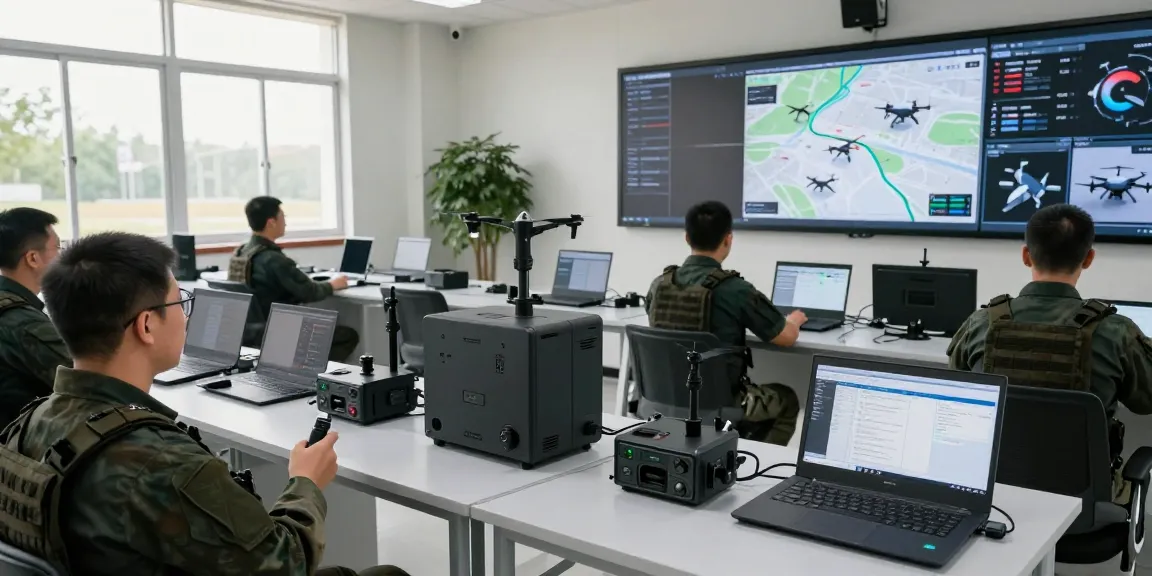
Understanding Anti Drone Jammers
With the rapid rise in the use of drones across various industries, the demand for effective countermeasures is at an all-time high. An anti-drone jammer is a specialized device designed to disrupt the communication signals between a drone and its operator. As drone technology becomes more sophisticated, so too do the methods employed to counter these aerial threats, making anti-drone jammers essential tools for safeguarding sensitive areas and critical infrastructure. When exploring options, Anti drone jammer solutions can provide comprehensive insights into the mechanisms and capabilities of these devices.
What is an Anti Drone Jammer?
An anti-drone jammer is an electronic device that emits radio frequency signals to intercept and disrupt communications between drones and their remote operators. These jammers are designed to operate across various frequency bands used by different drone models, making them versatile tools in the fight against unauthorized drone activity. This technology is critical for military, security, and civilian applications, where the need for reliable airspace control is paramount.
How Anti Drone Jammers Work
The operation of an anti-drone jammer is primarily based on disrupting the communication link between the drone and its controller. By overpowering the legitimate signals, jammers can effectively cause the drone to lose its connection to the operator, resulting in a loss of control. This can lead to one of three outcomes, depending on the drone’s programming: it may return to its takeoff point, hover in place, or descend to the ground. The effectiveness of these jammers is contingent on their signal strength and the specific frequencies they target.
Types of Anti Drone Jammers Available
- Handheld Jammers: Portable and user-friendly, these devices are ideal for quick deployment in dynamic environments.
- Backpack Jammers: Designed for mobility, they offer a higher range of signal disruption and are suitable for various operational scenarios.
- Vehicle-Mounted Jammers: These systems are integrated into vehicles, providing robust anti-drone coverage over larger areas.
- Stationary Jammers: Designed for long-term installations, these systems offer extensive coverage and can be linked with additional security systems for enhanced monitoring.
Market Overview of Anti Drone Jammers
Current Trends in UAV Threats and Countermeasures
The proliferation of drones has not only transformed industries but has also presented new challenges in airspace security. Unauthorized drone usage has been reported in various sectors, necessitating the implementation of effective countermeasures. Anti-drone jammers have emerged as prominent tools in this landscape, evolving to meet the growing complexity of threats. Businesses, governments, and military facilities are increasingly seeking advanced jamming solutions to protect vital infrastructure and maintain safety standards.
Comparison of Leading Brands in the Anti Drone Space
As the market for anti-drone technologies expands, several key players have emerged, each offering unique features and advantages. Companies like Shenzhou Mingda stand out due to their commitment to innovation and quality, providing comprehensive solutions tailored to individual security needs. The versatility of different jammer models—from portable systems suitable for military use to stationary setups for public events—underscores the competitive nature of this industry. Evaluating various brands based on performance metrics, ease of use, and compatibility with existing security frameworks is essential for organizations looking to invest in anti-drone technologies.
The Growing Demand for Anti Drone Solutions
The increasing need for anti-drone solutions can be attributed to several factors, including heightened security concerns, the rising incidence of drone-related incidents, and regulatory changes governing drone operations. Organizations across various sectors are recognizing the importance of proactive measures to mitigate risks associated with unauthorized drone use. As a result, demand for advanced anti-drone jammers is projected to grow significantly, leading to innovations that enhance functionality and performance.
Advantages of Using Anti Drone Jammers
Enhanced Security for Critical Infrastructure
One of the primary advantages of utilizing anti-drone jammers is the enhanced security they provide for critical infrastructure. Facilities such as airports, military bases, and power plants are increasingly vulnerable to drone incursions, which can lead to security breaches or operational disruptions. Deploying jamming technology greatly reduces these risks, ensuring that unauthorized drones cannot access sensitive areas.
Cost-Effectiveness of Anti Drone Solutions
Investing in anti-drone technology can prove to be cost-effective in the long run. By preventing potential threats before they escalate into serious incidents, organizations can save on potential damages, legal liabilities, and operational downtime. Moreover, advancements in technology have made these solutions more affordable, allowing a broader range of organizations to implement them without significant financial strain.
Customizability and Portability of Jamming Devices
Modern anti-drone jammers come with customizable features that allow users to tailor their devices to specific scenarios. Whether it’s a portable backpack jammer for rapid deployment in an emergency or a stationary unit for continual monitoring, the versatility of these devices enables organizations to address their unique security challenges effectively.
Real-World Applications and Case Studies
Successful Deployment at Military Bases
Military facilities worldwide are among the first adopters of advanced anti-drone technologies. Successful case studies highlight the effective deployment of jamming systems that prevent unauthorized drones from gathering intelligence or interfering with military operations. These deployments demonstrate not only the efficacy of jamming devices but also their critical role in modern military strategy.
Anti Drone Jammers in Civilian Use Cases
In civilian contexts, anti-drone jammers have been implemented at major public events, including concerts and festivals, to ensure safety and security. For instance, temporary jamming deployments have effectively prevented drone-related incidents at large gatherings, providing peace of mind to organizers and attendees alike. These applications underscore the importance of integrating anti-drone measures into crowd management protocols.
Lessons Learned from Major Events
Several high-profile incidents have demonstrated the need for robust anti-drone solutions. Lessons learned from these events highlight the necessity of preparedness, proper training, and the strategic deployment of jamming devices. Organizations are increasingly recognizing that proactive security measures are essential for safeguarding public safety against evolving aerial threats.
Future of Anti Drone Technology
Emerging Innovations in Jamming Technology
The future of anti-drone technology will likely be characterized by continuous innovation. Some emerging trends include the development of AI-powered jammers that can intelligently identify and target drones based on their behavior and flight patterns. Such advancements could significantly enhance the effectiveness of jamming solutions, making them even more reliable in dynamic environments.
Regulatory Landscape for Anti Drone Jammers in 2026
As anti-drone technologies evolve, regulatory frameworks are also being updated to address these advancements. In 2026, new regulations may emerge that govern the use of anti-drone jammers, potentially affecting deployment standards, licensing requirements, and operational protocols. Staying informed about these changes will be critical for organizations looking to implement effective anti-drone solutions.
Predictions for Market Growth and Development
The anti-drone market is expected to experience substantial growth over the next few years, driven by increasing demand from both military and civilian sectors. As threats become more sophisticated, the need for advanced jamming technology will likely accelerate market expansion. Companies that invest in research and development to enhance the effectiveness and adaptability of their products will be well-positioned to lead the industry.


