Understanding the Fundamentals of Mold Manufacturing
Mold manufacturing is a critical process that underpins numerous industries, providing the means to produce components with intricate designs and precise measurements. As technology evolves, companies are seeking ways to enhance their production efficiency and quality control. When exploring options, mold manufacturing offers comprehensive insights into the latest techniques and methodologies employed in the industry. This article aims to elucidate the fundamentals of mold manufacturing, covering key processes, materials, challenges, best practices, and future trends.
What is Mold Manufacturing?
Mold manufacturing involves the creation of molds that are used to shape materials into desired configurations. This process is essential for producing a variety of products, from plastic items to metal components, and is widely used in industries such as automotive, aerospace, and consumer electronics. The molds themselves can be made from various materials, including steel, aluminum, and polymer, and the choice often depends on the specific application and production volume.
Key Processes in Mold Manufacturing
The mold manufacturing process typically includes several critical stages:
- Design: Using CAD software, engineers create a detailed design of the mold, specifying dimensions, cooling channels, and ejection systems to enhance functionality.
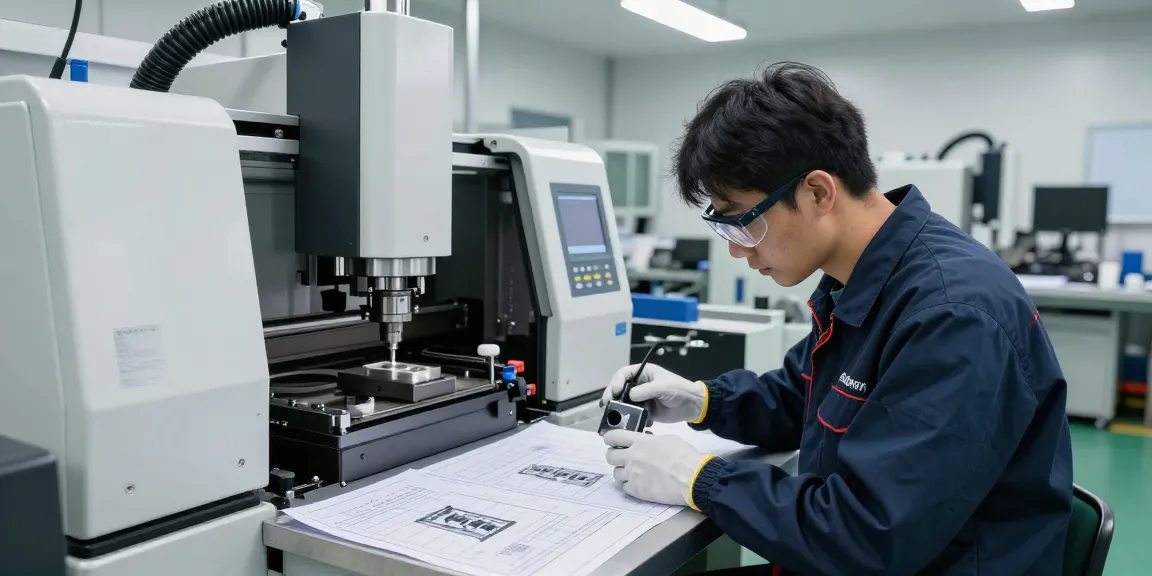
- Machining: The mold components are machined to precision using CNC machines, ensuring tight tolerances are achieved.
- Assembly: After machining, the mold components are assembled, tested for fit and functionality, and any necessary adjustments are made.
- Testing: Prototype molds are tested to identify any defects or improvements necessary before full-scale production begins.
Materials Used in Mold Manufacturing
Different materials are utilized in the mold manufacturing process, each offering unique attributes:
- Steel: Highly durable and suitable for large production runs, steel molds can withstand high pressures and temperatures.
- Aluminum: Lightweight and cost-effective, aluminum molds are ideal for shorter production runs and prototyping.
- Polymers: Used for low-volume production, polymer molds can be made quickly and are suitable for rapid prototyping.
Challenges in Today's Mold Manufacturing Landscape
The mold manufacturing industry faces various challenges that impact production efficiency and quality. These challenges include supply chain disruptions, rising material costs, and increasingly stringent regulatory requirements. Companies must navigate these hurdles while striving for operational excellence.
Common Pitfalls in the Mold Production Process
Many organizations encounter common pitfalls during mold production, including:
- Inadequate design validation prior to mold fabrication, leading to costly modifications.
- Poor quality control processes that allow defective parts to pass through inspection.
- Lack of skilled labor, resulting in inefficient production and increased error rates.
How Supply Chain Issues Affect Mold Manufacturing
Recent global events have substantially disrupted supply chains, impacting the availability of essential materials and components. Such disruptions can lead to extended lead times and increased costs. Companies must develop strategies to mitigate these risks, such as diversifying suppliers and investing in local sourcing.
Addressing Quality Control in Mold Production
Quality control is paramount in mold manufacturing to ensure that products meet strict industry standards. Implementing robust quality assurance protocols, utilizing advanced testing techniques, and fostering a culture of accountability can significantly enhance product quality.
Best Practices for Efficient Mold Manufacturing
To thrive in the competitive landscape of mold manufacturing, organizations must adopt best practices that promote efficiency and quality.
Optimizing Design for Manufacturability
Design for manufacturability (DFM) is a crucial approach that involves collaborating with production teams during the design phase. This collaboration ensures that the mold is designed in a way that simplifies manufacturing processes, reduces costs, and enhances overall product quality.
Leveraging Advanced Technologies in Mold Production
Integrating technologies such as additive manufacturing, advanced simulation, and real-time monitoring systems can significantly enhance mold production capabilities. These technologies enable rapid prototyping, improved design iterations, and better production scheduling.
Implementing Lean Manufacturing Principles
Lean manufacturing principles focus on waste reduction, continuous improvement, and enhanced productivity. By adopting these principles, mold manufacturers can streamline operations, reduce cycle times, and improve customer satisfaction.
Real-World Applications of Mold Manufacturing
Mold manufacturing has a wide range of applications across various industries. Understanding these applications can help organizations align their production capabilities with market demands.
Case Studies: Successful Mold Projects
Several companies have successfully implemented innovative mold manufacturing processes to improve outcomes:
- Automotive Industry: A leading automotive manufacturer utilized advanced mold techniques to reduce the weight of components without compromising strength, resulting in improved fuel efficiency.
- Medical Devices: A medical device company adopted rapid prototyping for their molds, reducing time-to-market for critical products and enhancing their competitive edge.
Industry-Specific Applications of Mold Manufacturing
Different industries require specialized molds. For example:
- Aerospace components necessitate molds that can withstand extreme conditions and ensure dimensional precision.
- Consumer electronics demand high-volume production molds that maintain a consistent quality throughout the lifecycle of the product.
How Automation is Transforming Mold Manufacturing
Automation is revolutionizing mold manufacturing by reducing labor costs, increasing precision, and enhancing production speed. Robotic systems and automated machining processes are becoming standard, allowing manufacturers to meet rising consumer expectations for quality and efficiency.
Future Trends in Mold Manufacturing for 2026 and Beyond
As we look toward the future, several key trends are expected to shape the mold manufacturing landscape significantly.
Emerging Technologies Shaping the Future of Mold Production
Innovations such as artificial intelligence, machine learning, and advanced materials are set to transform the mold manufacturing industry, enabling smarter production processes and enhanced product capabilities.
Sustainability Practices in Mold Manufacturing
With increasing awareness around environmental responsibilities, mold manufacturers are seeking sustainable practices such as using recyclable materials and reducing energy consumption during production.
Predictions for Industry Growth and Innovation
As industries continue to evolve, so too will the mold manufacturing sector. Analysts predict substantial growth driven by advancements in technology and increased demand for custom solutions across diverse verticals.
What are the key benefits of advanced mold manufacturing technologies?
Advanced mold manufacturing technologies offer numerous benefits, including reduced production times, improved precision, and the ability to produce complex geometries that were previously difficult to achieve.
How can companies ensure quality in their mold manufacturing processes?
Companies can ensure quality by implementing rigorous quality control measures, investing in employee training, and utilizing real-time monitoring systems to track production metrics.
What trends should businesses watch in the mold manufacturing industry?
Businesses should monitor trends such as automation, the rise of additive manufacturing technologies, and the increasing demand for sustainable and environmentally-friendly practices.
How does material choice influence mold manufacturing outcomes?
The choice of materials significantly impacts the performance, lifespan, and cost of molds. Selecting the right material that meets both production requirements and budget constraints is critical for success.
What role does design play in successful mold manufacturing?
Design plays a pivotal role in mold manufacturing as it directly influences manufacturability, cost, and product quality. Effective design incorporates input from engineering and manufacturing to reduce inefficiencies and improve outcomes.