Understanding the Role of a Bridge Crane Manufacturer
In the realm of industrial lifting solutions, the necessity for reliable and efficient equipment cannot be overstated. A bridge crane manufacturer plays a crucial role in providing businesses with the tools they need to safely and effectively move materials in a variety of settings. These specialized cranes are designed to handle heavy loads and operate efficiently in challenging environments, making them essential for industries such as manufacturing, construction, and logistics. When exploring options, bridge crane manufacturer provides comprehensive insights into the capabilities that businesses should consider before making their selection.
What is a Bridge Crane?
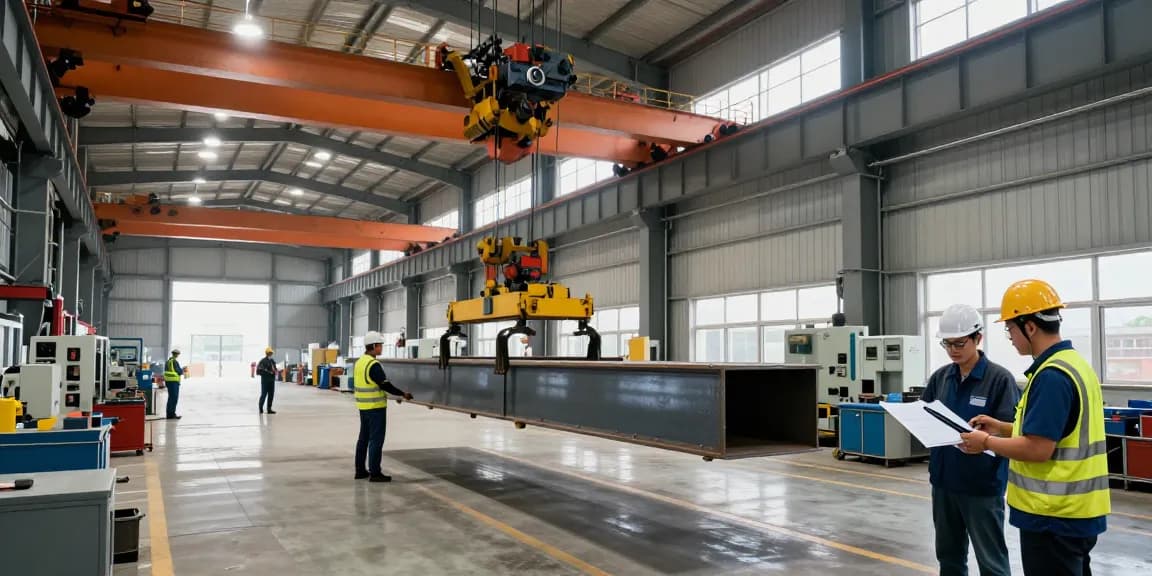
A bridge crane, often referred to as an overhead crane, consists of a horizontal beam that runs along two parallel runway beams. This configuration allows the crane to lift and move materials across a specific area, typically within a warehouse or manufacturing plant. Bridge cranes can be operated manually or through electronic controls, making them adaptable to various operational needs. Their design ensures that they can handle a wide range of loads, from light to extremely heavy, which is critical in settings where precision and safety are paramount.
Key Benefits of Utilizing Bridge Cranes
- Enhanced Efficiency: Bridge cranes significantly improve productivity by speeding up the lifting and moving of materials. This efficiency can lead to higher throughput in manufacturing processes.
- Space Optimization: The overhead design frees up ground space, allowing for more effective use of floor space in warehouses and production areas.
- Safety Improvements: By minimizing manual labor in the movement of heavy loads, bridge cranes reduce the risk of workplace injuries.
- Customization: Manufacturers can create tailored solutions that meet specific industry requirements, including specialized configurations for unique environments.
Industries That Depend on Bridge Crane Solutions
Bridge cranes are employed across a diverse range of industries, including:
- Manufacturing: Used for assembly lines and material handling.
- Steel Production: Essential for moving heavy steel components and raw materials.
- Logistics and Warehousing: Helps streamline the loading and unloading of goods.
- Aerospace: Provides precise handling of delicate components in manufacturing.
Choosing the Right Bridge Crane Manufacturer
Selecting a bridge crane manufacturer is a critical decision that can have long-term implications for operational efficiency and safety. It is essential to evaluate potential manufacturers based on their product offerings, industry experience, and support services.
Factors to Consider When Selecting a Manufacturer
- Experience and Reputation: Look for manufacturers with a proven track record in the industry, as this can indicate their capability to deliver quality products.
- Customization Options: Determine if the manufacturer can tailor their cranes to meet your specific needs and operational requirements.
- Quality Assurance: Investigate their quality control processes and certifications to ensure they comply with industry standards.
Comparing Capabilities and Certifications
A reliable bridge crane manufacturer should hold relevant certifications, such as ISO 9001 and CE marking. These certifications demonstrate compliance with international standards for quality and safety. It’s essential to ask for documentation that outlines their manufacturing processes, inspections, and testing protocols.
Importance of Technical Support and Compliance
Having access to technical support is vital when integrating bridge cranes into your operations. Manufacturers should provide comprehensive after-sales support, including installation guidance, operator training, and ongoing maintenance services. This ensures that the equipment operates safely and efficiently throughout its lifecycle.
Types of Bridge Cranes and Their Applications
Bridge cranes come in various designs and configurations, each aimed at serving specific applications and load requirements.
Single Girder vs. Double Girder Bridge Cranes
Single girder cranes are more lightweight and cost-effective, ideal for lighter loads in smaller spaces. In contrast, double girder cranes offer greater lifting capacities and are suited for more demanding applications, allowing for heavier loads and broader spans.
Electric vs. Manual Bridge Crane Options
Electric bridge cranes offer greater efficiency, precision, and automation, making them ideal for high-volume tasks. Manual cranes, while less expensive, require more physical effort and are generally used for lighter loads in less industrial settings.
Environmental Considerations for Different Lifting Applications
When selecting a bridge crane, it’s important to consider the operating environment. Cranes designed for outdoor use should be equipped to handle weather-related challenges, while those in chemical plants may need corrosion-resistant materials and specialized safety features.
Case Studies: Success Stories from Real Bridge Crane Projects
Understanding how bridge cranes have been effectively implemented in various industries can provide valuable insights for prospective buyers.
Heavy Lifting in Steel Manufacturing
A leading steel manufacturer implemented a bridge crane solution to streamline their raw material handling process. By utilizing a double girder bridge crane, they increased their lifting capacity and improved workflow efficiency, significantly reducing downtime.
Efficient Operations in Logistic Warehousing
A logistics company required an effective solution for managing high volumes of goods. They adopted a modular bridge crane system that allowed them to customize configurations based on fluctuating inventory demands, resulting in enhanced picking and shipping operations.
Innovative Applications in Aerospace Industries
In the aerospace sector, a specialized bridge crane was deployed for the assembly and testing of aircraft components. Its high precision and safety features ensured that delicate components were handled with care, supporting rigorous industry standards.
Future Trends and Innovations in Bridge Crane Manufacturing
As industries evolve, so do the technologies and practices in crane manufacturing. Staying ahead of these trends is crucial for manufacturers and users alike.
Technological Advancements Shaping the Industry
Automation and IoT integration are at the forefront of innovation. Smart bridge cranes equipped with sensors and data analytics capabilities can significantly enhance operational efficiency by predicting maintenance needs and optimizing load management.
Sustainability Practices Among Manufacturers
Manufacturers are increasingly focusing on sustainable practices, employing energy-efficient designs and environmentally friendly materials to minimize the ecological footprint of their products.
Preparing for the Future of Lifting Solutions in 2026
Looking forward, the industry is expected to continue embracing automation, with artificial intelligence being employed to enhance crane operation efficiency. Additionally, manufacturers will likely invest in more sustainable practices to address global environmental concerns.
What are the key advantages of bridge cranes?
Bridge cranes provide unparalleled lifting capacity, increased safety, and improved operational efficiency. Their design offers space savings and flexible configurations suited for a variety of industrial applications.
How do I choose a reliable bridge crane manufacturer?
Consider the manufacturer’s experience, customization capabilities, certification status, and the level of technical support they offer. Researching past projects and case studies can also provide valuable insights.
What industries benefit the most from bridge cranes?
Industries such as manufacturing, logistics, aerospace, and construction heavily rely on bridge cranes for efficient material handling and processing.
Are there special certifications required for bridge cranes?
Yes, certifications like ISO 9001 and CE marking demonstrate that the manufacturer meets international quality and safety standards, essential for compliance in various industries.
What’s the typical lead time for custom bridge crane orders?
Lead times vary depending on the complexity of the crane and the manufacturer's capabilities but generally range from a few weeks to several months for custom solutions.